




The Wonderful World of Color-Mixing
Colors are amazing. Isn't it incredible how two colors can combine to create something totally new? But they mix differently when it comes to real life pigments and digital screens. Let's examine why.
On paper, color mixing works through subtractive color models. Red, yellow, and blue are primary colors in the subtractive world, and by mixing them, you subtract wavelengths of light, creating darker shades. For example, mixing red and yellow paints makes orange, while combining all three primary colors will give a deep brown or black. With experimentation, you can create a rainbow of hues. In printing, a slightly different subtractive model called CMYK (Cyan, Magenta, Yellow, and Black) is used to create vivid images.
On computer screens, the story shifts to additive color mixing, where colors combine by adding light. Screens use red, green, and blue (RGB) as primary colors, and by adding these lights, you can create all the colors of the digital spectrum. For instance, adding red and green light creates yellow, while blue and green combine to make cyan. When all three lights overlap at full intensity, they produce white light. Fascinating, right?
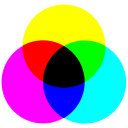
But this isn't always true. Sometimes colors cross paths in surprising ways. Colors can be mixed in different ways on computers, and they can mix like paints! If they're programmed to. Let’s say you have three circles — red, yellow, and blue. As they meet and overlap, new colors might bloom in their intersections. And if all three come together in the right spot, you might discover the darkest and most mysterious shade of them all. It might be hard to find, but it becomes clear if you can shift your view.